
YOUTH TOOLKITThis toolkit is meant to empower youth navigating the criminal legal system - with or without a lawyer - who are also racialized, living with a disability, or who are autistic or neurodivergent.
For the purpose of this toolkit a "youth" is someone who falls under the Youth Criminal Justice Act (YCJA). The YCJA applies to anyone alleged to have committed a crime who is 12 - 17 years old.
If you are over 18 or have been charged as an adult, see our Adult Toolkit instead.
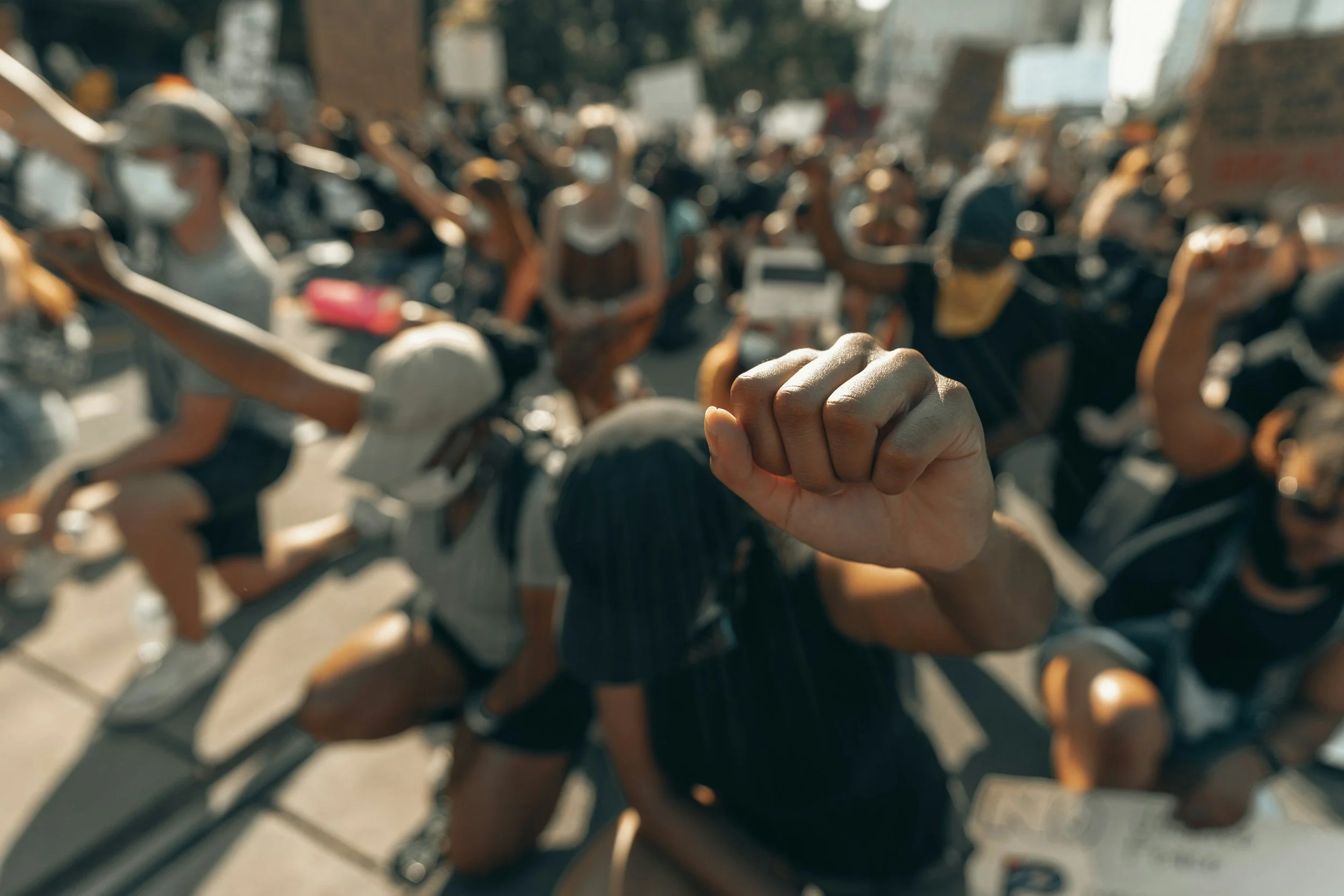
Racism & the CLS
Being Black, Indigenous, or otherwise racialized will impact every interaction you have with the criminal legal system system – from someone's decision to call police, to the outcome of your sentencing and prisoner security assessment.
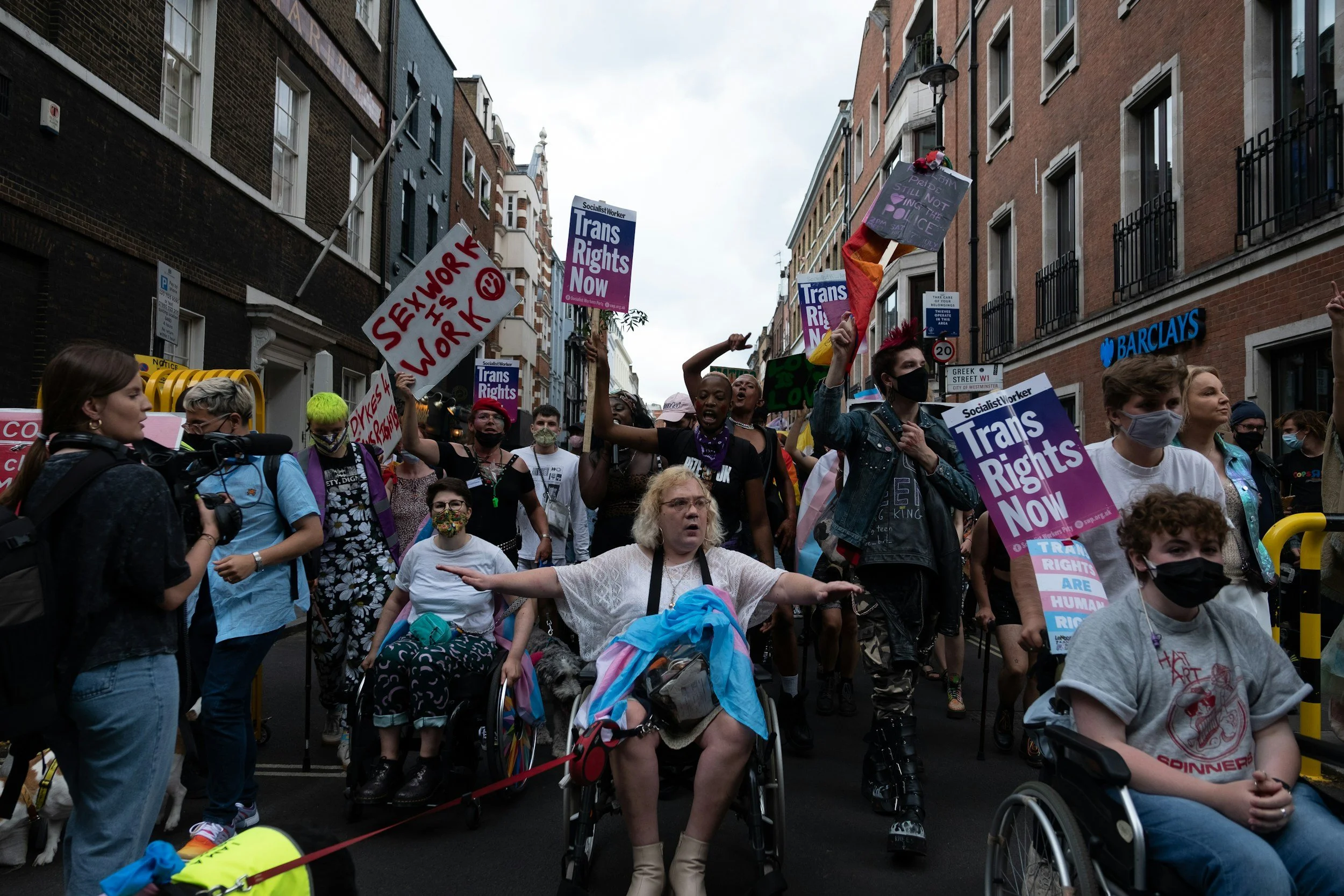
Ableism & the CLS
Being disabled under/by capitalism also means we're more likely to come into contact with the criminal legal system and more likely to spend time in prison for it. Read more about ways those who are autistic, neurodivergent, or those who live with disabilities have experienced barriers and ableism in our criminal legal system.

What to Expect
From start to finish – get a simple overview of what to expect if you're criminalized in the Canadian legal system system.
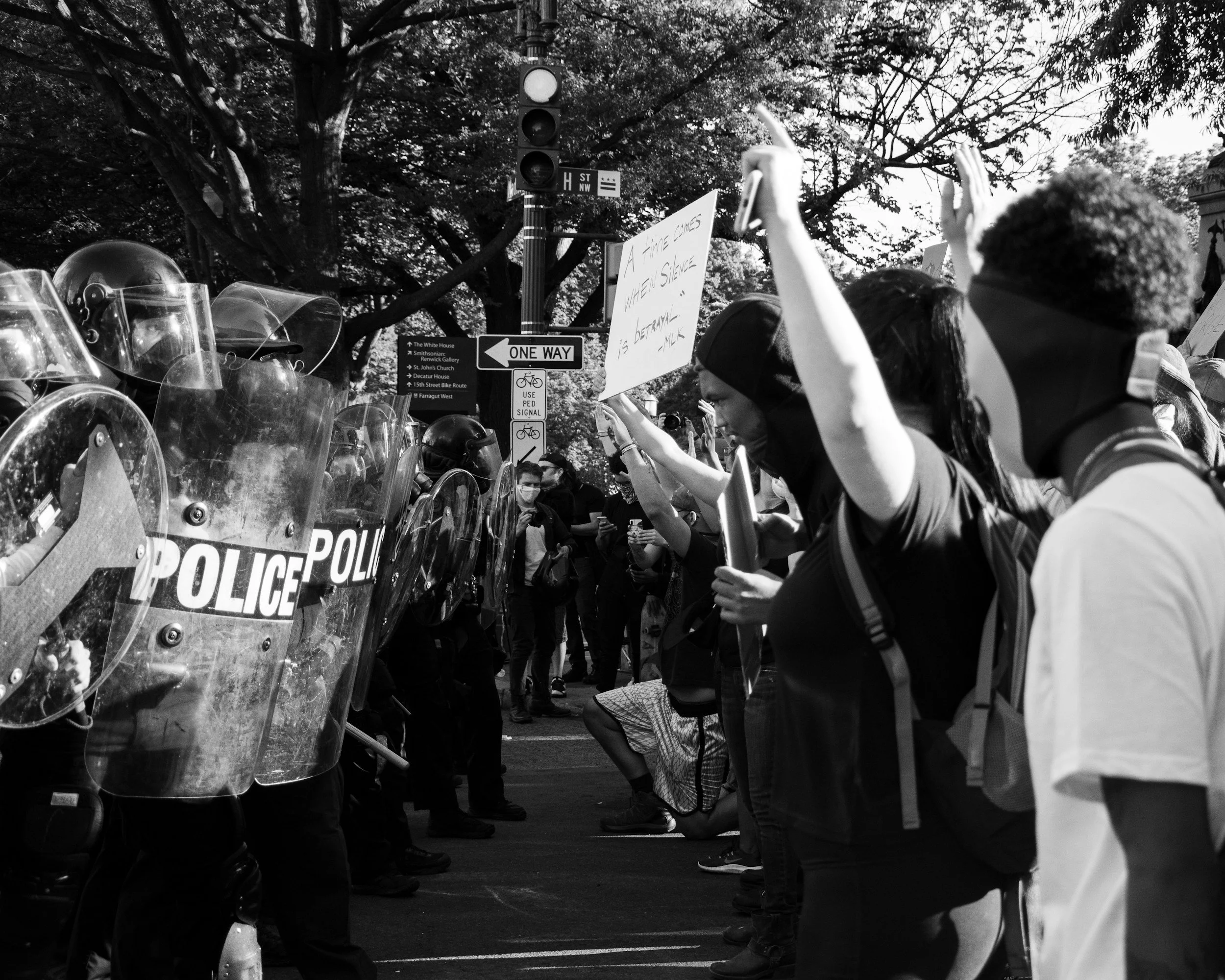
Know Your Rights
Learn about your legal rights – whether you're at a protest or the police try to card you on the street.
Arrested
So what ACTUALLY happens if you are arrested? Read a bit about what it's like to be arrested and the next steps.

Making Bail
Bail in so-called Canada isn't like what you see on TV. It's also one of the most important moments in the entire legal process. Learn what you need to know to best prepare yourself for – or help others in – this moment.
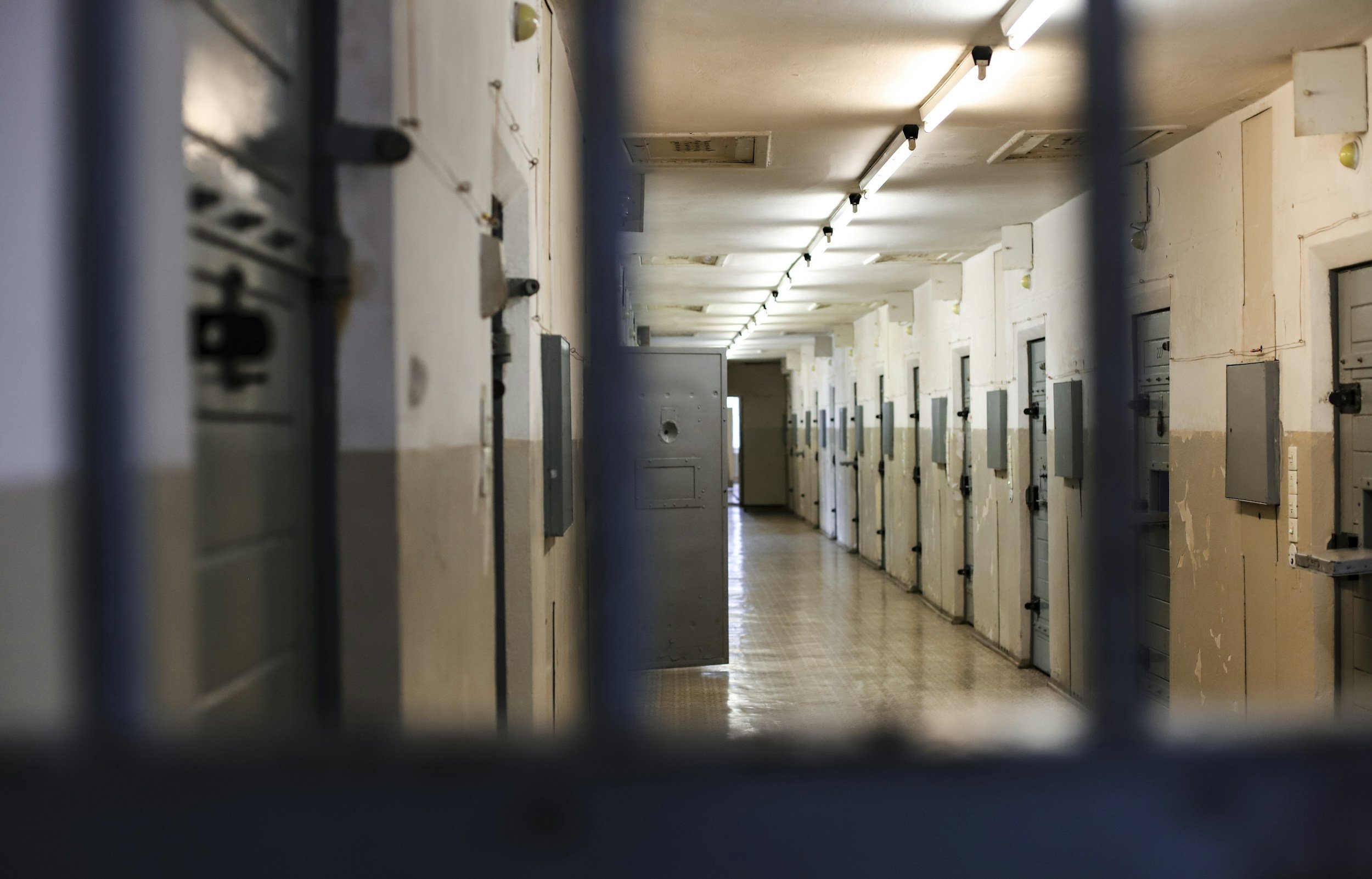
Custody
Racialized folks, autistic and neurodivergent people, and those with disabilities are far more likely to spend time in jail or prison during remand or after sentencing. Read a bit and hear from others about their experiences while in custody.
Prisoner Supports
Find a range of legal, advocacy, and crisis supports that prisoners should be able to access directly for free through facility phones, or by mail, and information about calls and visits.
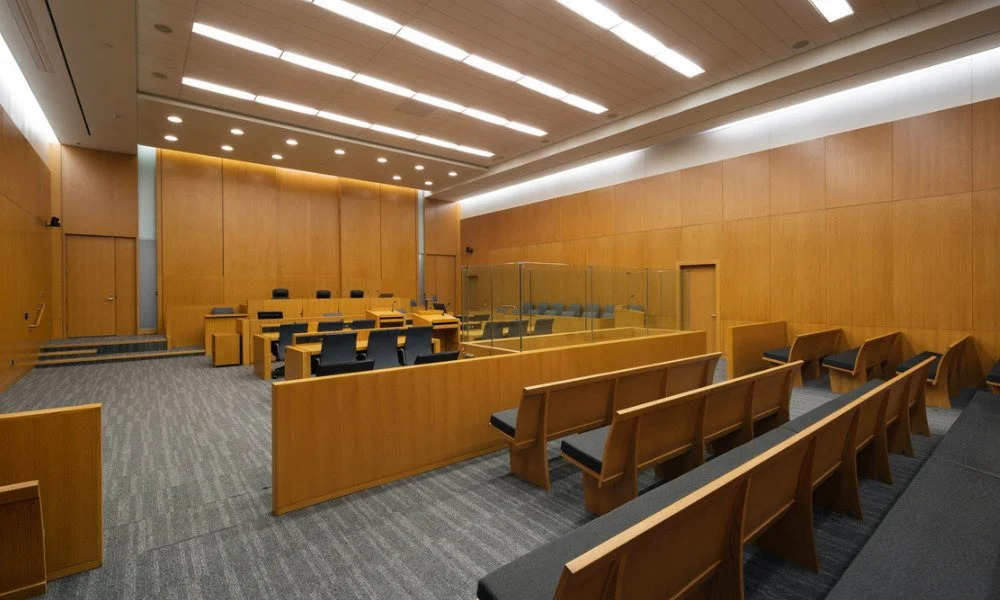
Court Dates
It's common for people to attend their first court date ready to fight – but that's not the way it works. Our legal system is long and drawn out. Read about the different types of court dates and be ready for the important moments.

Lawyers – or not?
Did you know that you don't always need a lawyer? Stop by here to read some of the pros, cons, and other considerations before hiring private counsel. Also, find guides to self-representation.

Legal Resourcing
A collection of legal clinics, resources, and information or research hubs for legal information, to help you understand the process with your lawyer or represent yourself.

Accessibility & Cultural Entitlements
Find information about accessibility requirements and accommodation requests you can make within the criminal legal system – as well as specific cultural entitlements.
Special Courts & Diversion
Read about specialized courts for those with mental health and addiction concerns, the Gladue court for Indigenous peoples, and the diversion process, which those with first-time offences can often qualify for.

In-Court Resources
Find out about organizations and services inside courthouses that are meant to provide support and information to criminalized youth.
Community Resourcing
Our greatest source of strength and support often comes from people and relationships outside of systems. Drop by here to get some ideas for peer and community support resources and organizations within Hamilton, ON.
We Keep Us Safe(r)
If our rights don't protect us within the criminal legal system, what will? Turns out – it's us! Read about how people in and outside prison walls have worked together to create support and safety, and have organized to have people's needs met.

FAQ
Some common questions, answered! We'll work to keep this section updated – because your curiosity can help others, too. Submit questions through our contact form.